$13.37

Beta-Blocker (Oral Antihypertensive & Antiarrhythmic)

Product Information

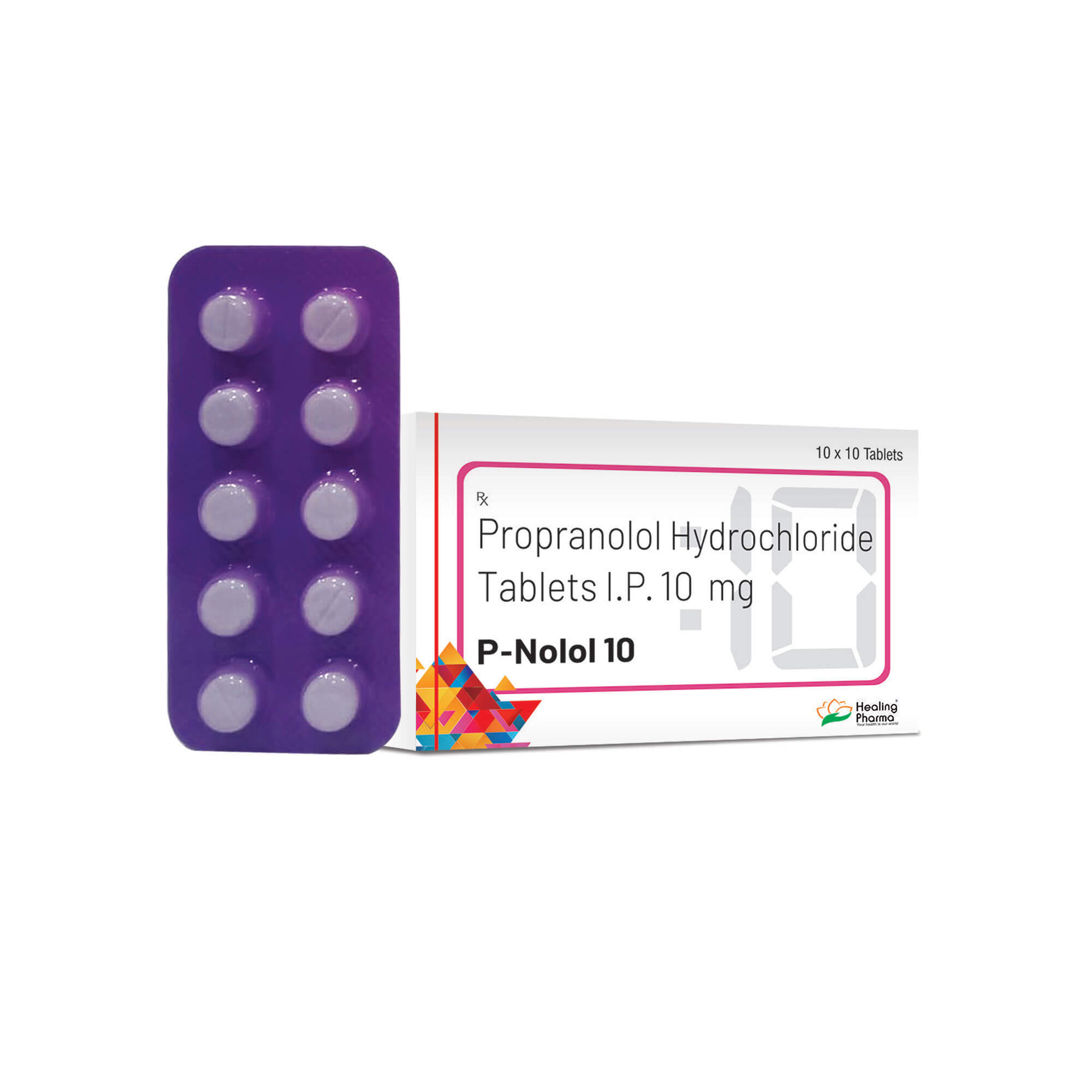
P-NOLOL 10mg Tablet is a prescription medicine used for multiple cardiovascular and neurological conditions. It helps decrease anxiety and relieve tremors. It is also used to help prevent migraine, chest pain due to heart disease (angina), and bleeding in the stomach caused by high blood pressure in the liver (portal hypertension).

This medicine may also be used to treat high blood pressure and abnormal heart rhythms (arrhythmias). It should be taken exactly as prescribed, usually on an empty stomach and at the same time each day. Continue taking it even if you feel well, as stopping suddenly may worsen your condition.

Why is this Medication Prescribed?

P-NOLOL is prescribed to:

  • Lower high blood pressure (hypertension).

  • Prevent migraine attacks.

  • Treat and control anxiety symptoms.

  • Stabilize irregular heartbeat (arrhythmia).

  • Prevent recurrence of angina or heart attacks.

  • Relieve tremors.

  • Reduce the risk of bleeding in portal hypertension.

  • Manage high blood pressure during pheochromocytoma surgery.

Uses

  • Treatment of pheochromocytoma (as supportive therapy).

  • Treatment of hypertension (high blood pressure).

  • Prevention of migraine.

  • Treatment of anxiety.

  • Treatment of arrhythmia (abnormal heart rhythm).

  • Prevention of heart attack.

  • Prevention of angina (chest pain).

  • Treatment of tremors.

Benefits

  • Pheochromocytoma: Helps lower dangerously high blood pressure during surgery.

  • Hypertension: Relaxes blood vessels, lowers blood pressure, and reduces the risk of stroke, heart attack, and kidney disease.

  • Migraine: Prevents abnormal brain and muscle activity that trigger attacks, reducing frequency and severity.

  • Anxiety: Blocks stress chemicals in the brain, reducing restlessness, irritability, poor concentration, and sleep problems.

  • Arrhythmia: Normalizes irregular heartbeat and helps prevent episodes.

  • Heart attack prevention: Lowers blood pressure, eases heart workload, and reduces the risk of death if given after a heart attack.

  • Angina: Improves oxygen delivery to the heart, reducing chest pain and increasing exercise tolerance.

  • Tremors: Improves blood flow and reduces abnormal muscle activity that causes tremors, enhancing daily function.

How Should this Medicine be Used?

  • Take exactly as prescribed by your doctor.

  • Usually taken on an empty stomach.

  • Take at the same time each day.

  • Do not stop suddenly without medical advice.

  • Continue long-term use for prevention of heart disease, migraine, or anxiety as directed.

  • Avoid alcohol, which may affect how the medicine works.

Other Uses

  • May be prescribed for portal hypertension to reduce bleeding risk.

Special Precautions

  • Do not use if you have asthma, very slow or uneven heartbeat, or severe heart failure.

  • Inform your doctor if you have kidney or liver problems, or chronic obstructive pulmonary disease (COPD).

  • Avoid alcohol while on treatment.

  • Do not drive or operate machinery if you feel dizzy or weak.

  • Use with caution if you have diabetes, as propranolol may mask low blood sugar symptoms.

  • Pregnant or breastfeeding women should consult their doctor before use.

Possible Side Effects

Common side effects may include:

  • Tiredness or weakness.

  • Cold fingers and toes (Raynaud phenomenon).

  • Slow or irregular heartbeat.

  • Numbness in fingers.

  • Shortness of breath.

  • Nausea, vomiting, or diarrhea.

Most side effects are mild and improve as your body adjusts. Contact your doctor if symptoms persist or worsen.

Storage & Disposal

  • Store at room temperature, away from moisture and heat.

  • Keep out of reach of children.

  • Do not use expired medicine.

  • Dispose of unused tablets safely, following pharmacist or local guidelines.

Emergency Guidance

  • Seek urgent medical help if you develop chest pain, fainting, or severe shortness of breath.

  • Report serious allergic reactions such as swelling, rash, or difficulty breathing immediately.

  • In case of overdose, symptoms may include very slow heartbeat, low blood pressure, or collapse — seek emergency care immediately.
Reference #18.937a7b5c.1766158466.52d0b7d
https://errors.edgesuite.net/18.937a7b5c.1766158466.52d0b7d