
$13.37

Oral Antidiabetic (Biguanide)

Product Information

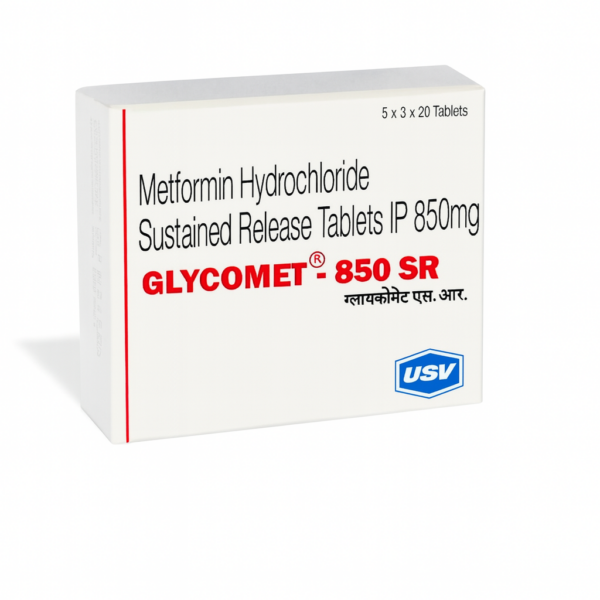
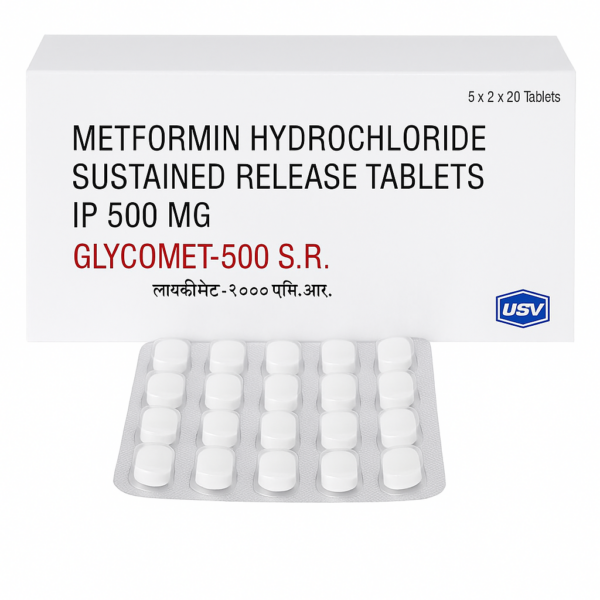
GLYCOMET 250 Tablet is used to treat type 2 diabetes mellitus by helping control blood sugar levels and preventing complications of diabetes. It is also prescribed in women for polycystic ovary syndrome (PCOS), a condition related to hormonal imbalance and irregular menstruation.

Why is this Medication Prescribed?

Doctors prescribe GLYCOMET (Metformin) to:

  • Manage blood sugar levels in type 2 diabetes
  • Reduce long-term risks of diabetes-related complications
  • Improve insulin sensitivity in women with PCOS

Uses

  • Treatment of type 2 diabetes mellitus
  • Management of polycystic ovary syndrome (PCOS)

Benefits

In Type 2 Diabetes Mellitus

  • Lowers glucose production in the liver
  • Delays absorption of glucose from the intestines
  • Increases the body’s sensitivity to insulin
  • Helps reduce risk of complications such as kidney damage, nerve problems, eye damage, and limb loss
  • Supports a healthier and longer life when combined with proper diet and exercise

In Polycystic Ovary Syndrome (PCOS)

  • Improves menstrual regularity
  • Enhances insulin sensitivity
  • May reduce symptoms such as weight gain and excess hair growth

How Should this Medicine be Used?

  • Take exactly as prescribed by your doctor.
  • Best taken with food to minimize nausea and abdominal pain.
  • Take at the same time every day for best results.
  • Do not stop taking without medical advice.
  • Follow your doctor’s recommended diet and exercise program to maximize benefits.
  • Monitor your blood sugar levels regularly.

Other Uses

May occasionally be prescribed for other insulin-resistance related conditions at your doctor’s discretion.

⚠️ Lactic Acidosis Risk Warning

Metformin may rarely cause a serious condition called lactic acidosis, especially in patients with kidney, liver, or heart problems. This condition can be life-threatening and requires immediate medical attention.

  • Avoid excessive alcohol while taking this medicine.
  • Your doctor may monitor kidney function before and during treatment.
  • Seek urgent medical help if you develop:
    • Unusual tiredness or weakness
    • Muscle pain
    • Difficulty breathing
    • Severe stomach pain, nausea, or vomiting
    • Dizziness or irregular heartbeat

Special Precautions

  • Pregnancy and breastfeeding: Consult your doctor before use.
  • Medical history: Inform your doctor if you have:
    • Kidney disease (your doctor may check kidney function before starting)
    • Liver disease
    • Heart disease or heart failure
  • Alcohol use: Avoid excessive alcohol while on this medicine as it increases lactic acidosis risk.
  • Combination therapy: Be cautious if taking with other antidiabetic drugs or insulin, as this may increase risk of hypoglycemia (low blood sugar).

Possible Side Effects

Common:

  • Nausea
  • Vomiting
  • Diarrhea
  • Abdominal pain
  • Loss of appetite
  • Flatulence (gas)
  • Taste changes

Serious (seek medical advice immediately):

  • Lactic acidosis (see warning above)
  • Severe or persistent gastrointestinal symptoms

Storage & Disposal

  • Store in a cool, dry place away from direct sunlight.
  • Keep out of reach of children.
  • Do not use after expiry date.
  • Dispose of safely; do not flush into toilets or drains.

Emergency Guidance

  • Overdose: Seek emergency medical attention immediately. Symptoms may include lactic acidosis (nausea, vomiting, stomach pain, difficulty breathing).
  • Missed dose: Take as soon as you remember. If close to the next dose, skip the missed dose — do not double dose.
  • Hypoglycemia: If combined with other diabetes medicines, monitor for low blood sugar symptoms (sweating, shaking, confusion). Carry glucose tablets or sugar source if advised by your doctor.
Reference #18.937a7b5c.1766158466.52d0b7d
https://errors.edgesuite.net/18.937a7b5c.1766158466.52d0b7d