Product Information
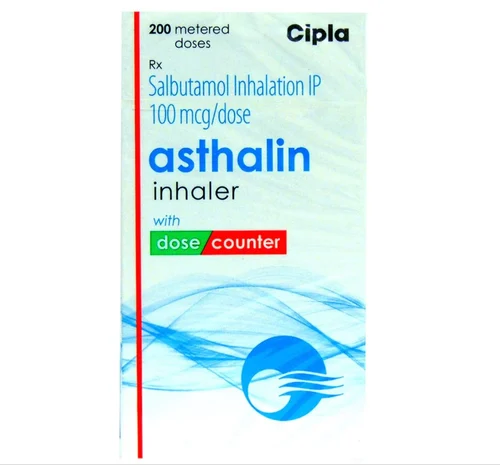
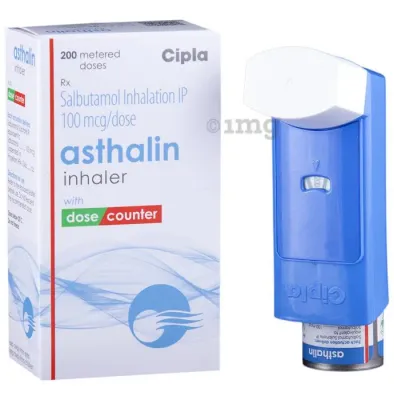
Asthalin 100 mcg Inhaler contains salbutamol (also known as albuterol), a medicine that quickly opens the medium and large airways in the lungs. It belongs to the group of medicines called fast-acting bronchodilators or “relievers.”
It is used to relieve symptoms of asthma and chronic obstructive pulmonary disease (COPD), such as coughing, wheezing, chest tightness, and breathlessness.
Asthalin provides quick relief when symptoms occur. It is not a “preventer” inhaler, so it should not be used as a substitute for daily maintenance therapy.
Why is this Medication Prescribed?
Asthalin is prescribed to:
- Relieve sudden asthma symptoms
- Relieve breathing problems in COPD
- Provide quick relief during asthma attacks or exercise-induced breathlessness
Uses
- Relief of asthma symptoms (cough, wheeze, breathlessness, chest tightness)
- Relief of breathing difficulties in COPD
- Prevention of exercise-induced bronchospasm (when used before activity, as advised)
Benefits
- Provides rapid relief from sudden breathing problems
- Works within minutes and lasts for several hours
- Helps improve airflow and ease chest tightness
- Allows you to continue daily activities with fewer interruptions from asthma or COPD symptoms
Reliever vs. Preventer Inhalers
- Reliever Inhalers (e.g., Asthalin): Used only when symptoms occur or before exposure to triggers. They act quickly to relax airway muscles and relieve breathing difficulty.
- Preventer Inhalers: Usually contain corticosteroids and are used daily to reduce airway inflammation and prevent symptoms from occurring. They do not provide immediate relief during an attack.
👉 Both inhalers are often prescribed together. Relievers treat symptoms when they happen, while preventers control the underlying condition long term.
How Should this Medicine be Used?
- For inhalation use only
- Use only when symptoms occur, or before exposure to triggers/exercise if advised by your doctor
- The usual dose is the number of puffs recommended by your doctor during symptoms or attacks
- Do not exceed the prescribed number of puffs
- Always carry your inhaler for quick relief when needed
- If symptoms do not improve or worsen after use, seek medical help immediately
Step-by-Step Guide for Using Asthalin Inhaler
- Shake the inhaler well before each use.
- Remove the mouthpiece cover.
- Breathe out gently, away from the inhaler.
- Place the mouthpiece in your mouth and close your lips around it.
- Press down on the inhaler to release one puff while breathing in slowly and deeply.
- Hold your breath for about 10 seconds, then breathe out slowly.
- If more than one puff is prescribed, wait at least 30 seconds before repeating.
- Replace the mouthpiece cover after use.
Other Uses
Asthalin may sometimes be prescribed for conditions other than asthma or COPD, such as severe allergic reactions with airway narrowing.
Drug Interactions
Tell your doctor if you are taking:
- Beta-blockers (may reduce the effect of salbutamol)
- Diuretics or corticosteroids (may lower potassium levels further)
- Other bronchodilators or xanthine derivatives (e.g., theophylline) – may increase side effects
- Antidepressants (MAOIs, tricyclics) – may increase risk of heart-related side effects
Special Precautions
Inform your doctor if you:
- Have high blood pressure
- Have heart disease, irregular heartbeat, or chest pain
- Have an overactive thyroid gland
- Have diabetes (salbutamol may increase blood sugar)
- Have low potassium levels
- Are pregnant, planning pregnancy, or breastfeeding
⚠️ This medicine may cause dizziness, tremors, or shakiness. Avoid driving, using tools, or operating machinery until you feel well.
Avoid smoking, as it worsens lung conditions and reduces treatment effectiveness.
Possible Side Effects
Common side effects:
- Tremors or shakiness
- Headache
- Fast heartbeat (tachycardia)
Less common but serious side effects (seek medical advice):
- Chest pain
- Severe dizziness
- Severe or worsening headache
- Irregular heartbeat
Storage & Disposal
- Store below 30°C, away from heat and sunlight
- Do not puncture or burn the canister, even when empty
- Keep out of reach of children
- Do not use after the expiry date
- Dispose of inhalers according to pharmacist or local waste guidelines
Emergency Guidance
- Use your inhaler immediately if you experience sudden asthma symptoms or an asthma attack
- If symptoms do not improve after recommended puffs, or breathing becomes very difficult, seek emergency medical care immediately
- Signs of overdose include severe chest pain, fast or irregular heartbeat, tremors, or confusion—call emergency services immediately